
Description
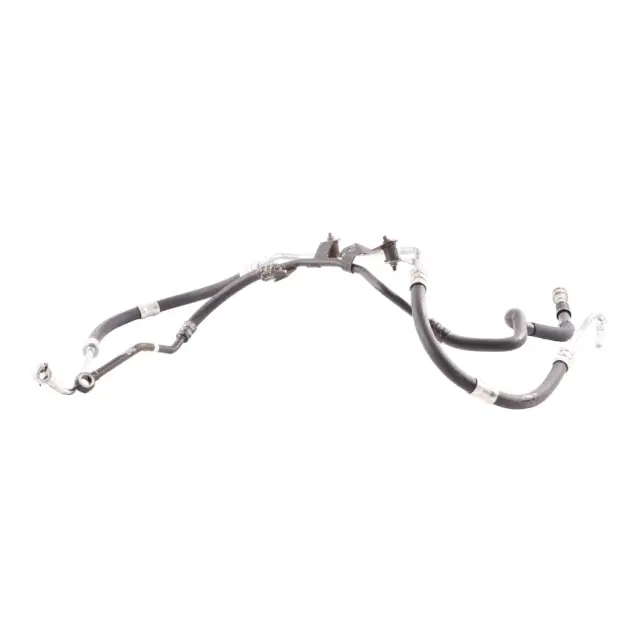
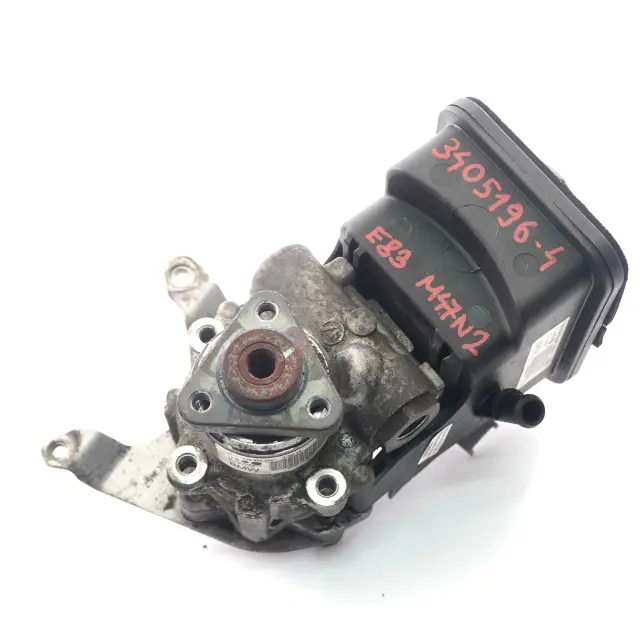
Audi A8 D4 Power Steering Fluid Pressure Pipe Hose 3.0 TDI is an original hydraulic system component designed for use with the Diesel engine unit. Engineered by Audi, it ensures proper steering operation and maintains fluid pressure within the system, which translates into stable, predictable, and comfortable power steering performance.
Specifications and technical data
- SKU: RHD-4H2422891AC
- Mark: Audi
- Condition: Used
- OEM Part Number: 4H2422891AC
- Substitutable numbers: 4H2422891AC, 4H2 422 891 AC
- Fuel type: Diesel
- Category: Power Steering Pumps
Purpose and function in the power steering system
This pressure hose is a component of the Power steering pumps group, responsible for transporting fluid under high pressure between key steering system components. A correctly selected hose allows for maintaining stable operating pressure, reduces performance drops, and minimizes the risk of noise and vibrations during pump operation.
In combination with a properly functioning pump and steering gear, the hose ensures:
- smooth steering operation when maneuvering at low speeds,
- precise force transmission to the wheels at higher speeds,
- stable operating parameters under typical diesel engine operating conditions.
Benefits of using an original Audi hose
Using an original hose in the Audi A8 D4 3.0 TDI allows for maintaining the factory parameters of the power steering system. The component has been designed for the specific geometry of the engine bay, thanks to which:
- the hose routing is matched to the factory layout of components,
- the appropriate distance from heating and moving elements is maintained,
- the risk of abrasions, micro-cracks, and leaks resulting from improper installation is reduced.
For workshops and users, this means easier installation, predictable system behavior, and a reduction in the risk of service returns related to leaks or incorrect replacement part selection.
Condition, verification, and selection based on technical data
The element is offered in used condition, which allows for an economical repair of the power steering system while maintaining the original Audi specification. Before installation, a standard visual inspection for any signs of corrosion on the connectors, mechanical damage, and leaks in the bend zones is recommended.
For proper hose selection, it is worth using the manufacturer’s markings and vehicle data, such as engine type, body generation, and steering system configuration. In case of doubt, selecting parts by catalog numbers or the vehicle VIN allows for minimizing the risk of purchasing an incompatible component.
Integration with the fuel system and operation in a Diesel engine
In vehicles with a Diesel engine, the power steering system operates under conditions characteristic of high torque and specific vibrations of the power unit. A properly selected pressure hose supports the stable operation of the entire hydraulic system, which is especially important during frequent maneuvering, towing, or city driving.
If you want to better understand the relationships between the drivetrain and diesel engine supply, it is worth checking out the guide on diagnostics and operation of the fuel system – this is discussed in detail in the article Fuel system – injectors, pumps, and fuel tank: maintenance and regeneration, which helps in the conscious servicing of vehicles with a diesel engine.
Purchase support and other Audi power steering system components
If you are planning a comprehensive repair or upgrade of the steering area in your Audi and need other elements from the same group, such as pressure hoses, return hoses, or pump supply components, check the available parts in the Audi Power steering pumps category.
When purchasing used hydraulic components for the power steering system, it is worth following proven selection and seller verification procedures. Practical tips on safe online shopping, including the use of manufacturer markings and vehicle data, can be found in the guide Safe purchase of used car parts online – a step-by-step guide, which describes step-by-step how to minimize risk and select the right element for a specific model.
Reviews
There are no reviews yet.