Description
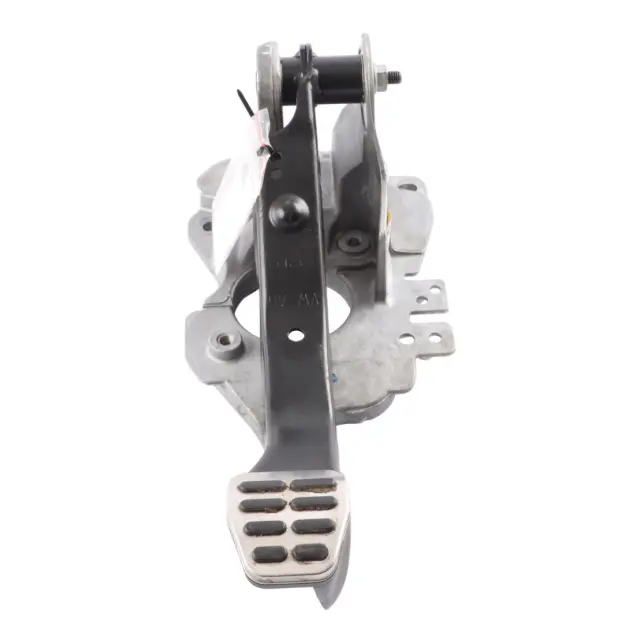
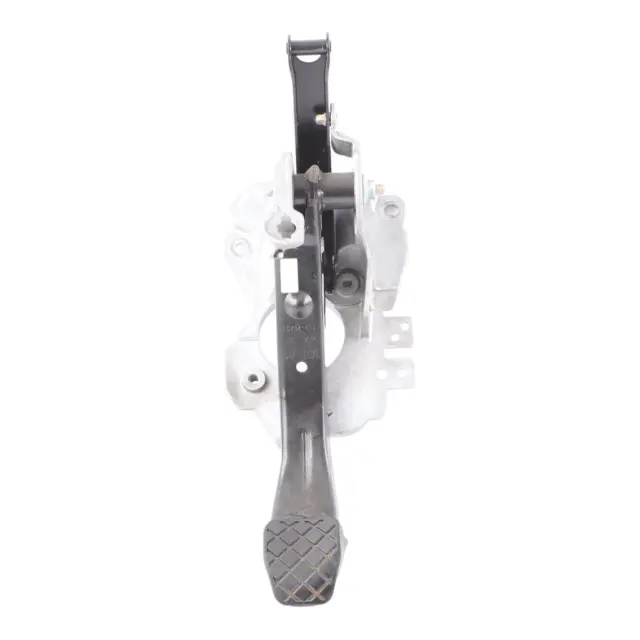
The Manual Brake Pedal for Audi TT, S3, Skoda Octavia Mk2, and VW Eos is an original part from the Pedals, Pedal Covers, and Footrests category, designed for vehicles with manual transmissions. This is a robust, factory-built Volkswagen construction that allows for precise control of the braking system and maintains proper ergonomics in sporty and compact VAG group models.
Specifications and technical data
- SKU: 1K2721057AG
- Mark: Volkswagen
- Condition: Used
- OEM Part Number: 1K2721057AG
- Substitutable numbers: 1K2721057AG, 1K2 721 057 AG
- Gearbox type: Manual
- Part type: Brake Pedal
- Category: Pedal Assemblies, Pads & Parts
Application in Audi, Skoda, and VW Models
The presented brake pedal is intended for cars such as Audi TT, Audi S3, second-generation Skoda Octavia, and Volkswagen Eos. The design has been developed to work with the braking systems of these models, ensuring:
- correct pedal travel and predictable brake response,
- appropriate transfer of driver’s pedal pressure to braking force,
- consistency with factory mounting for the accelerator and clutch pedals.
This allows the component to maintain operating characteristics in line with the manufacturer’s specifications, which is particularly important in more dynamic vehicles like the Audi S3 or TT.
Construction and Fit for Manual Transmission
The brake pedal has been specifically designed for vehicles with a manual transmission. This means it is adapted for a three-pedal setup (clutch–brake–accelerator) and properly spaced relative to the other pedals. In practice, this translates to:
- ergonomic foot positioning during braking and gear changes,
- comfortable operation in city traffic and on the highway,
- stable mounting at factory body points.
Its original origin from the Volkswagen group helps maintain the correct pedal system geometry, which is important for both safety and driving comfort.
Condition, Functionality, and Benefits of Choosing a Used Part
This item comes from the Volkswagen offering and is presented as a used part. For many users, this represents a sensible compromise between cost and quality – you retain the factory construction and fit, avoiding the risks associated with cheap aftermarket alternatives of uncertain specifications. For brake pedals, it is particularly important to:
- maintain the appropriate stiffness of the pedal arm,
- ensure proper cooperation with the brake booster and master cylinder,
- avoid interference with original mounting points.
Choosing an original, used brake pedal allows you to maintain the factory driving feel and predictable operation of the braking system, which directly impacts safety.
Why Choose an Original Volkswagen Brake Pedal
Unlike many universal aftermarket parts, this original brake pedal was designed specifically for the platform used in the Audi TT, S3, Skoda Octavia Mk2, and VW Eos. This offers a number of practical benefits:
- Factory Fit – no need for modifications, drilling, or adapting mounting components.
- Consistency with Safety Systems – maintaining the braking system’s operating characteristics as intended by the manufacturer.
- Stable Long-Term Performance – a construction developed for many years of operation under demanding road conditions.
For drivers who value predictable vehicle behavior and correct brake system operation, using an original brake pedal is a technically sound choice.
System Expansion: Volkswagen Pedals, Pedal Covers, and Footrests
If you are also looking for other items from the Pedals, Pedal Covers, and Footrests category for these brands, check out our offer for Volkswagen pedals, pedal covers, and footrests to complete a cohesive set of control elements.
More About VAG Group Drivetrains and Components
If you are interested in a broader technical context regarding the construction of Audi and VW vehicles, including the interaction of the drivetrain with control elements, take a look at the article xDrive, 4Matic, quattro, or 4Motion – A Comparison of AWD Systems from BMW, Mercedes, Audi, and VW, which discusses typical components and the specifics of servicing all-wheel-drive systems.
Reviews
There are no reviews yet.