
Description
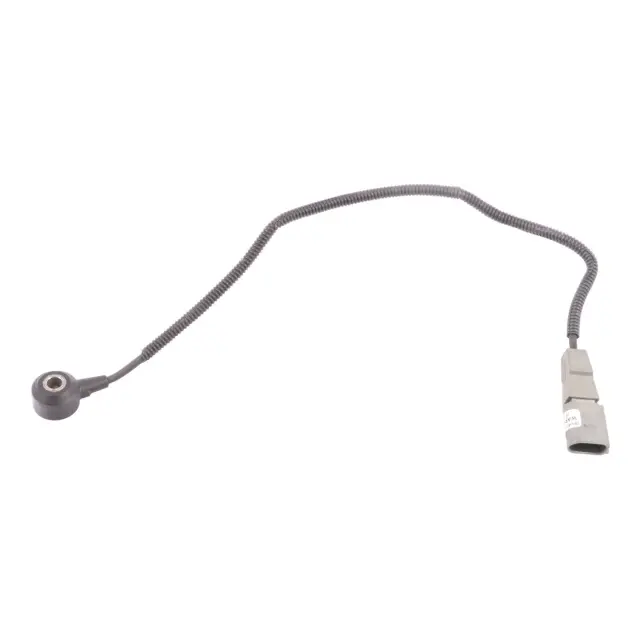
Audi S4 B8 Q5 8R Knock Sensor Engine Block 3.0 3.2 Petrol is a precision component from the Engine Sensors and Switches group, responsible for monitoring knock combustion in petrol engines. A properly functioning sensor allows the engine control unit to optimally adjust the ignition timing, which translates to stable operation, improved driving comfort, and reduced risk of mechanical damage to the engine block.
Specifications and technical data
- SKU: 06E905377C
- Mark: Audi
- Condition: Used
- OEM Part Number: 06E905377C
- Substitutable numbers: 06E905377C, 06E 905 377 C
- Fuel type: Petrol
- Category: Engine Sensors & Switches
Function of the Knock Sensor in Audi Petrol Engines
The engine block knock sensor in Audi S4 B8 and Q5 8R models with 3.0 and 3.2 petrol engines is responsible for detecting uncontrolled fuel-air mixture combustion in the cylinders. The signal from the sensor is analyzed by the control unit, which corrects ignition parameters based on this analysis. This reduces mechanical vibrations and stresses, allowing the engine to operate within safe load ranges.
A functional knock sensor helps maintain proper performance, stable RPMs, and accurate throttle response, especially under heavy load and at higher operating temperatures. If it becomes worn, power drops, control unit errors may appear, and characteristic metallic knock sounds can occur.
Benefits of Using an Original Audi Sensor
Choosing a component from the original Audi range ensures proper fitment to the engine block and correct signal characteristics. This is particularly important in higher-powered engines where vibration measurement accuracy is crucial for protecting pistons, connecting rods, and cylinder heads.
The main advantages of using this sensor in a petrol engine include:
- stable engine operation across the full RPM range,
- better protection against prolonged knock combustion,
- correct compatibility with the factory control unit software,
- maintenance of the operating characteristics intended by the manufacturer.
Selection and Practical Application
When replacing the knock sensor in an Audi S4 B8 or Q5 8R, it is important to match the component to the specific petrol engine version. This sensor model is designed to work with 3.0 and 3.2 engines, ensuring compatibility with the factory electrical system and mechanical mounting in the block.
During installation, pay attention to:
- correct routing of the cable relative to engine accessories,
- proper tightening torque of the mounting bolt to the block,
- a clean contact surface to ensure accurate vibration transmission.
Proper installation allows the engine control unit to reliably analyze the signal and effectively respond to potential knock combustion phenomena.
Product Characteristics and Condition
The offered sensor belongs to the Engine Sensors and Switches group designed for Audi vehicles. This is a used part, meaning it comes from a dismantled vehicle but retains the functionality required for further operation. This type of solution is often chosen as an economical alternative to new components while maintaining compliance with factory specifications.
Due to the nature of the knock sensor’s operation, replacement is recommended in situations where diagnostic errors related to ignition occur, the engine runs unevenly under load, or mechanical damage is detected in the mounting area on the block.
Related Components and Additional Technical Materials
If you are planning a comprehensive repair or upgrade of the engine area in your Audi and need other components from the same group, such as crankshaft position sensors, temperature sensors, or switches related to engine operation, check the available parts in the Audi Engine Sensors and Switches category.
For work on engine accessories, it is also worth familiarizing yourself with practical tips on operation and diagnostics. Extended information on engine component care, timing, and injection systems can be found in the article: Star-Quality Reliability – How to Care for Engine Components in Popular Mercedes-Benz C-Class and E-Class Models?
Reviews
There are no reviews yet.