
Description
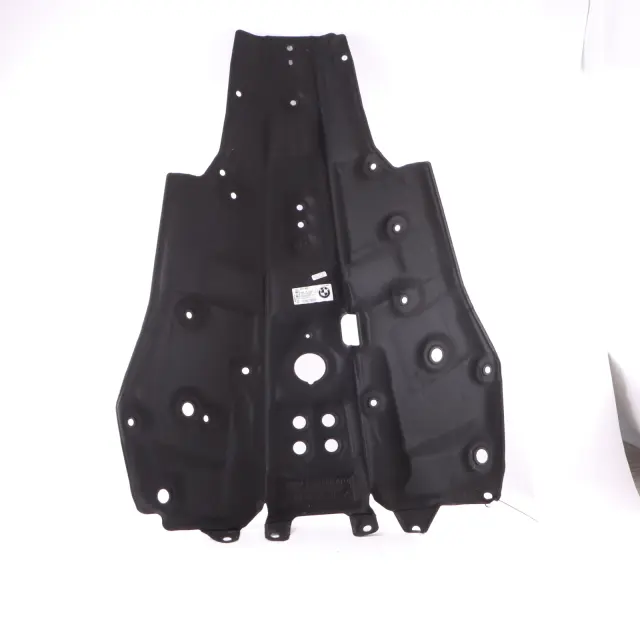
The Sound Insulation BMW i4 G26 Tunnel Shield Covering is an original, used center tunnel sound insulation shield designed for BMW i4 G26 models. This component helps to reduce the transmission of noise and vibrations from the drivetrain tunnel area into the cabin, improving acoustic comfort and the perceived quality of the ride. It is a practical solution for users who wish to maintain the factory level of interior insulation or restore it after mechanical repairs.
Specifications and technical data
- SKU: 7952606
- Mark: BMW (Genuine OE)
- Condition: Used
- OEM Part Number: 7952606
- Category: Other Exterior Parts & Accessories
Purpose and Function in BMW i4 G26
The center tunnel sound insulation shield in the BMW i4 G26 performs several important functions within the vehicle’s structure. Firstly, it acts as an acoustic barrier between the underbody and the interior, reducing road noise, drivetrain operating sounds, and minor structural vibrations. Secondly, it helps stabilize airflow around the tunnel, contributing to maintaining appropriate thermal conditions within the cabin.
Thanks to its precise fit for the G26 body generation, this element works in conjunction with other insulation shields and panels to create a cohesive acoustic insulation system. Using an original shield ensures factory-level fitment and the noise damping characteristics intended by the manufacturer.
Construction and Fit for the Center Tunnel
The Sound Insulation BMW i4 G26 Tunnel Shield Covering is specifically designed for the center tunnel geometry of this model, taking into account its contours, mounting points, and wiring harness routing. The shape and material structure allow for precise placement of the element without interfering with other components, such as wiring harnesses or underbody shield mounting points.
The appropriately selected density and layered construction of the damping material help to limit the transfer of vibrations from the floor structure to the passenger cabin. In practice, this translates to a more stable acoustic background, which is particularly noticeable in electric vehicles like the BMW i4, where the absence of an internal combustion engine’s noise highlights other sound sources.
Service Application and Installation
The center tunnel sound insulation shield is often replaced after service work on the underbody, drivetrain, or high-voltage system, when the original component has been damaged, deformed, or removed. Using an original BMW part allows for the restoration of the manufacturer-intended insulation level without the need for universal solutions.
The element is designed for installation at factory mounting points, which facilitates workshop operations and reduces the risk of improper placement. Correctly securing the shield is important not only for acoustics but also for maintaining proper airflow under the vehicle’s floor and protecting other components located in the tunnel area.
Benefits of Using an Original Sound Insulation Shield
Choosing an original center tunnel sound insulation shield for the BMW i4 G26 offers several practical benefits:
- maintaining the manufacturer-designed level of acoustic comfort inside the cabin,
- precise fit to the tunnel structure and adjacent underbody components,
- consistency with other shields and insulation panels in the vehicle,
- reduction of unwanted cabin resonances and vibrations.
For users who aim to keep their vehicle in a condition close to its original state, using such a shield is a simple way to improve subjective driving comfort and the perceived performance of the entire drivetrain.
If you are planning a comprehensive repair or upgrade of the center tunnel area in your BMW and need other parts from the same group, such as shields, insulation panels, or additional protective covers, check the available parts in the Other BMW category.
Part Selection by OEM Number and Technical Support
When selecting sound insulation shields for modern models like the BMW i4 G26, it is crucial to verify compatibility using the OEM number and vehicle specifications. If you have any doubts, it is advisable to seek practical guidance on component identification and parameter comparison with service documentation.
To simplify the verification process, you can refer to the advice provided in the article Guide: How to Select the Correct Car Part by VIN and OEM Number, which describes step-by-step how to check the compatibility of used parts with a specific car model.
For those interested in comparing design solutions across different brands and segments, including underbody and drivetrain systems, the analytical material Audi RS vs. Other Models – What Lies Under the Hood and Chassis? may also be helpful, illustrating how manufacturers differentiate components based on vehicle versions.

Reviews
There are no reviews yet.